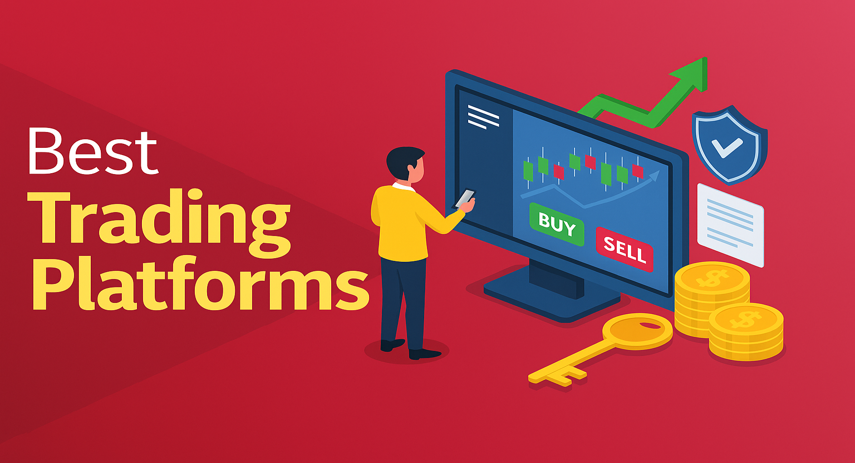
Best Trading Platforms 2026

In a hurry? Here’s the top Trading Platform for 2026:
- 🏆 Etoro: eToro is a global trading platform where you can invest in stocks, ETFs, crypto, and more—all in one place. With its unique CopyTrader™ feature, you can automatically mirror top investors' strategies, making it easy to learn and trade confidently.
- Get the best Trading Platform of 2026 here.
- Read more about Etoro here.
In today’s fast-paced financial world, online trading platforms have made investing more accessible than ever. Whether you’re looking to buy stocks, dabble in forex, or explore cryptocurrencies, trading platforms offer the gateway you need to get started.
The right platform can help you grow your portfolio efficiently, minimize fees, and access powerful tools. But with dozens of options on the market—from full-featured platforms for seasoned pros to simple apps designed for beginners—it can be hard to know where to start.
That’s why we’ve put together this guide. We’ll walk you through what to look for in a trading platform and highlight a few of our favorite picks for 2026.
An overview of the best Trading Platforms for 2026:
- 🥇 1. Etoro — eToro offers commission-free trading on stocks, ETFs, and cryptocurrencies, making it ideal for beginners and casual investors. Its standout feature, CopyTrader™, allows users to automatically replicate the strategies of top-performing traders.
- 🥈 2. IG — IG is a well-established online trading platform designed for experienced traders who need advanced tools and broad market access. You can trade over 17,000 global markets, including via spread betting and CFDs, with competitive, volume-based pricing. Its powerful analysis features make it ideal for serious, strategy-driven investors.
- 🥉 3. xtb — XTB is a global online broker offering access to over 5,500 markets, including stocks, ETFs, forex, indices, and crypto. Its intuitive xStation 5 platform features advanced tools and educational content, making it suitable for both beginners and pros. You can trade commission-free on stocks and ETFs up to €100,000 monthly, with low spreads on other assets.
- Frequently Asked Questions about Trading Platforms (FAQ).
What Is a Trading Platform and What Should I Look For?
A trading platform is your gateway to the financial markets. Whether you're on your computer or using a mobile app, it gives you the tools to buy, sell, and keep track of investments like stocks, ETFs, forex, cryptocurrencies, and commodities—all in one place. Provided by online brokers, these platforms make it easy for you to connect with the markets, manage your trades, and stay informed about your portfolio in real time.
Trading platforms have evolved rapidly over the past decade, offering increasingly advanced tools, real-time data, and seamless execution. Whether you’re investing casually or trading actively, the platform you choose can have a significant impact on your overall experience, costs, and success.
Most trading platforms fall into two categories:
Trading fees can significantly affect your profitability, especially if you’re making multiple trades each month. Many modern platforms have adopted a commission-free model, particularly for stock and ETF trades, making them attractive to casual investors. Others may charge a fee per trade or impose spreads on forex and CFD products.
It’s important to review not only commission rates but also account fees, inactivity fees, withdrawal costs, and currency conversion charges. A transparent fee structure is crucial, as hidden costs can quietly eat into your returns over time.
Tools and Features
The best trading platforms do more than just let you buy and sell—they equip you with powerful tools to help you trade smarter. You’ll find research tools, detailed charts, technical indicators, and live data feeds, all designed to give you a clearer picture of the market and help you make informed decisions.
If you're an experienced trader, you'll appreciate platforms with advanced charting and in-depth analytics that let you dive into technical analysis and spot trends. On the other hand, if you’re just getting started, you might prefer platforms with social trading features. These let you follow and even copy the moves of top-performing investors—so you can learn by example and gain confidence as you go.
As you explore trading platforms, keep an eye out for must-have features like real-time market updates, financial news integration, customizable watchlists, and price alerts. These tools can make a big difference when it comes to staying on top of the market and acting at the right moment.
Market Access
Different platforms offer access to different markets. Some may limit users to UK-listed shares, while others provide global market access, including the U.S., European, and Asian stock exchanges. The broader the market access, the more opportunities you have to diversify your portfolio or engage in region-specific strategies.
If you're interested in trading beyond equities—such as forex pairs, commodities, indices, or cryptocurrencies—make sure your chosen platform supports these instruments and provides competitive spreads and liquidity.
User Experience and Learning Support
For beginners, a clean and intuitive user interface can make a significant difference. A cluttered or confusing layout may cause errors or missed opportunities. Some platforms prioritize simplicity and ease of navigation, offering a streamlined experience that’s ideal for those just starting out.
Helpful features to look for include demo accounts, step-by-step tutorials, and interactive learning centers. These tools can boost user confidence and allow new traders to practice and explore platform functions before investing real money.
Regulation and Safety
When money is on the line, security is paramount. It’s essential to ensure that your trading platform is regulated by a trusted authority, such as the Financial Conduct Authority (FCA) in the UK. Regulation provides oversight and legal protection, ensuring that brokers operate transparently and safeguard your funds.
Many regulated platforms also participate in investor protection schemes, such as the FSCS (Financial Services Compensation Scheme), which offers coverage up to a certain amount if the broker fails. Be wary of unregulated or offshore brokers promising unrealistic returns—they often come with significant risk and little recourse in the event of misconduct.
Now that you know what makes a great trading platform, let’s look at the top three that stand out for their features, ease of use, and overall value. Whether you’re a beginner or a seasoned trader, these platforms offer the tools and support to help you trade with confidence.
1. Etoro — Best Overall
If you're looking for a trading platform that's both intuitive and engaging, eToro could be a perfect fit for you. Designed with a user-friendly interface, eToro makes it easy to explore thousands of financial instruments—from stocks and ETFs to crypto and commodities. What really sets it apart is the social trading feature, CopyTrader™, which lets you follow and automatically copy the moves of successful investors. It's like learning to trade with a mentor by your side, without needing to be an expert yourself.
You’ll also appreciate the $100,000 demo account, which allows you to practice without risking real money. Whether you're just starting out or refining your strategy, the eToro Academy offers helpful guides and tutorials to build your confidence. With commission-free stock trading and a sleek mobile app, you can manage your investments from anywhere and stay connected to market trends on the go.
Get Started with Etoro – The All-in-One Trading Solution!
2. IG — Best for International Trading
If you're seeking a trading platform that combines reliability, depth, and user-friendliness, IG might be the ideal choice for you. With a legacy dating back to 1974, IG has established itself as a trusted name in online trading. The platform offers access to over 17,000 markets, including forex, indices, commodities, shares, ETFs, and options, catering to a wide range of trading preferences. Whether you're interested in day trading or long-term investing, IG's diverse offerings provide ample opportunities to explore.
IG's trading platforms are designed with both beginners and experienced traders in mind. The proprietary IG Trading Platform boasts a user-friendly interface, customizable charts, and advanced risk management tools. For those who prefer third-party platforms, IG supports MetaTrader 4 (MT4), ProRealTime, and TradingView, ensuring flexibility in trading strategies. Additionally, IG's mobile app allows you to monitor markets and execute trades on the go, ensuring you never miss a trading opportunity.
Get Started with IG – The All-in-One Trading Solution!
3. xtb — Best for Beginners
Looking for a trading platform that balances ease of use with powerful features? XTB could be just what you need. Founded in 2002 and listed on the Warsaw Stock Exchange, XTB has earned a strong reputation for reliability and transparency in the trading world. Its proprietary platform, xStation 5, is designed with both beginners and seasoned traders in mind, offering an intuitive interface, sophisticated charting tools, and real-time market data. With access to more than 5,400 instruments—including forex, indices, commodities, stocks, ETFs, and cryptocurrencies—XTB provides an extensive range of trading opportunities to suit every strategy.
One of XTB's standout features is its commitment to cost-effective trading. They offer commission-free trading on real stocks and ETFs for monthly volumes up to €100,000, making it an attractive option for long-term investors. Additionally, XTB provides a free demo account with €100,000 in virtual funds, allowing you to practice and refine your trading strategies without financial risk. Their educational resources, including webinars, video tutorials, and market analysis, are designed to enhance your trading knowledge and confidence.
Get Started with xtb – The All-in-One Trading Solution!
How We Chose the Best Trading Platforms
To identify the best trading platforms, we conducted a comprehensive evaluation based on key criteria that matter most to both beginner and experienced investors. Our methodology combined hands-on testing, expert analysis, and user feedback to ensure an accurate and balanced assessment.Here’s what we focused on:- Ease of Use: We assessed how intuitive and user-friendly each platform is, especially for those new to trading. A clean layout, smooth navigation, and helpful onboarding tools were essential.
- Features and Tools: We looked for advanced charting, real-time data, customizable dashboards, and tools that support a wide range of trading strategies—from basic buying and selling to technical analysis.
- Asset Variety: The best platforms offer access to a broad selection of assets, including stocks, ETFs, forex, commodities, and cryptocurrencies, giving users flexibility in how they build their portfolios.
- Fees and Pricing: We compared commission structures, spreads, and hidden fees to find platforms that provide value without compromising on quality or transparency.
- Security and Regulation: Only platforms with strong security protocols and proper regulatory oversight were considered. We prioritized those that safeguard user data and funds.
- Customer Support and Education: Platforms that provide responsive customer service, helpful FAQs, tutorials, and demo accounts scored higher in our rankings.Our goal is to highlight trading platforms that combine functionality, trustworthiness, and ease of use—empowering investors to trade with confidence.
Trading Platforms - Frequently Asked Questions (FAQ)
📈 What is a trading platform?
A trading platform is software that allows investors and traders to buy and sell financial instruments like stocks, forex, commodities, and cryptocurrencies online. It provides tools for placing trades, analyzing market data, tracking performance, and managing accounts—all from one interface.
✅ How do I choose the right trading platform?
To choose the right trading platform, consider factors like ease of use, available assets, fees, trading tools, reliability, and customer support. It’s important to pick a platform that matches your experience level, trading goals, and preferred markets.
💻 Are there demo accounts available?
Yes, most trading platforms offer demo accounts that let you practice trading with virtual funds in real market conditions. They’re a great way to explore the platform’s features, get comfortable with the interface, and test different trading strategies without risking any real money—making them ideal for beginners and experienced traders alike.
💰 What fees should I be aware of?
Common trading fees include spreads—the difference between the buy and sell price—commissions charged per trade, overnight financing charges for holding positions overnight, and withdrawal fees for transferring funds out of your account. Some platforms may also charge inactivity fees if your account remains unused for a certain period. It’s essential to carefully review a platform’s full fee structure to understand the true cost of trading and avoid unexpected charges.
🔍 Are trading platforms regulated?
Yes, reputable trading platforms are regulated by financial authorities such as the FCA, CySEC, or ASIC, depending on the region. Regulation ensures the platform follows strict standards for security, transparency, and client protection, giving traders more confidence in the safety of their funds and data.
💸 Can I trade multiple asset types?
Yes, many trading platforms allow you to trade multiple asset types, including forex, stocks, indices, commodities, ETFs, and cryptocurrencies. This gives you the flexibility to diversify your portfolio and explore different markets from a single account.
📱 Are mobile trading options available?
Yes, most modern trading platforms offer mobile apps that let you trade on the go. These apps typically include key features like real-time market data, charting tools, and order management, allowing you to stay connected and manage your trades from anywhere.
🔐 How secure is the platform?
Most reputable trading platforms prioritize security by using measures like data encryption, two-factor authentication, and segregated client funds. It's important to choose a regulated platform with a strong track record to ensure your personal information and money are well-protected.